At ScarletSoirée, we believe that a red prom dress is more than just an outfit—it’s a statement of confidence, elegance, and individuality. One of the most effective ways to elevate your look is through Mixing Fabrics in Red Prom Dresses, a styling approach that blends satin, lace, and velvet to create depth, contrast, and visual interest. Modern prom fashion embraces multi-texture designs that combine glossy satin, delicate lace, and rich velvet to enhance silhouette, highlight details, and create a luxurious, personalized aesthetic.
In this guide, ScarletSoirée explores how to understand each fabric, combine them effectively, avoid common mistakes, and choose the ideal red prom dress fabric pairing that suits your style and body type.
Why Mixing Fabrics Matters in Red Prom Dresses?

Mixing fabrics is not just a design trend—it’s a strategic fashion choice that enhances both appearance and structure. One of the biggest advantages of fabric blending in formal gowns is the ability to create visual dimension. A dress made entirely of one fabric can sometimes appear flat, while combining materials like satin and lace introduces contrast that catches the eye.
Another benefit is silhouette enhancement. For example:
- Satin provides structure and smoothness
- Lace adds softness and intricate detail
- Velvet introduces richness and weight
Together, these fabrics can highlight certain areas of the body while subtly minimizing others, helping create a balanced and flattering look. Additionally, mixing textures in dresses allows for more personalization. Whether you prefer a romantic, bold, vintage, or modern aesthetic, combining fabrics gives you flexibility to express your unique style.
Understanding the Key Fabrics
A solid grasp of each fabric helps ensure balanced combinations and cohesive designs when working with red prom dresses. Satin, lace, and velvet each contribute unique visual and structural qualities that influence the final look.
Satin in Red Prom Dresses
Satin is widely favored in formalwear for its smooth surface and reflective finish, which enhances the richness of red tones under lighting. It offers a polished appearance while maintaining a fluid drape that supports elegant silhouettes.
- Glossy finish that reflects light effectively
- Soft yet structured drape for clean lines
- Luxurious and refined visual appeal
- Creates natural movement in gowns
Common applications include skirts, structured bodices, full-length gowns, and base layers in mixed-fabric designs. Satin often acts as the foundation in fabric blending in formal dresses, helping balance more textured elements.
Lace in Red Prom Dresses
Lace is valued for its intricate patterns and semi-transparent quality, making it ideal for adding detail without overwhelming the overall design. It introduces softness and enhances the romantic aspect of a dress.
- Lightweight and breathable structure
- Decorative, detailed patterns
- Often sheer or semi-sheer
- Adds femininity and visual delicacy
Lace is typically used in bodices, sleeves, necklines, and overlays on satin or velvet. In red prom dresses, lace creates a striking contrast between bold color and fine detailing, especially in lace overlay prom dress designs.
Velvet in Red Prom Dresses
Velvet is known for its rich texture and depth, offering a matte finish that absorbs light rather than reflecting it. This characteristic enhances the intensity of red, giving the dress a deeper and more luxurious tone.
- Thick, plush surface with soft texture
- Rich visual depth and warmth
- Subtle sheen depending on angle
- Best suited for structured or seasonal designs
Velvet is commonly used in full gowns, bodices, and accent panels. It is particularly effective in red evening dress materials where a regal and sophisticated aesthetic is desired.
Popular Fabric Combinations for Red Prom Dresses
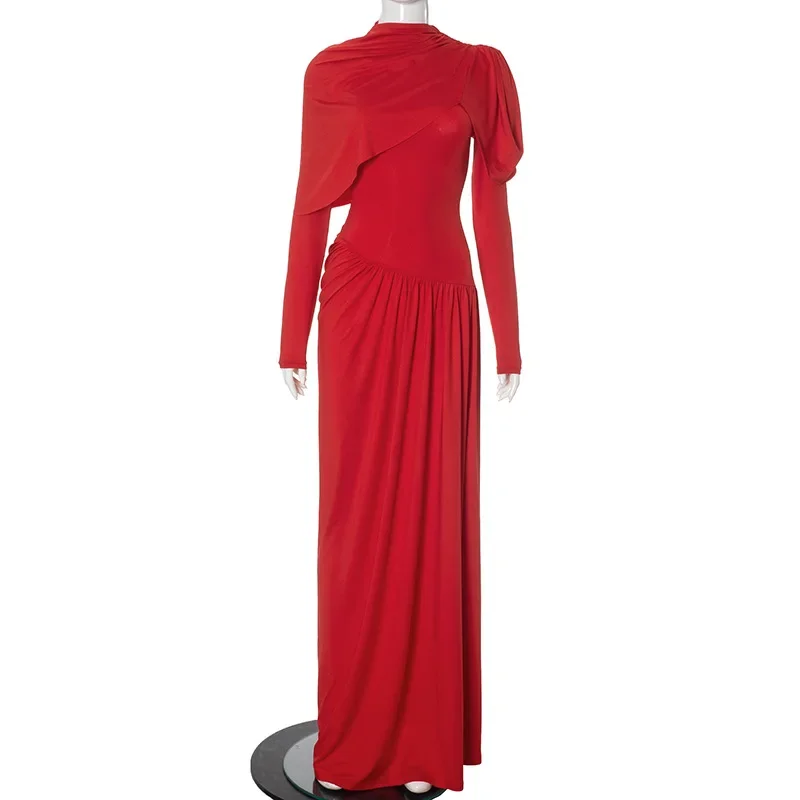
Combining fabrics allows for greater visual contrast, texture balance, and stylistic flexibility in formal dress design.
Satin + Lace Combination
This is one of the most classic and widely used pairings in formalwear. Satin provides the structural base, while lace adds detail and softness through overlays or accents.
- Satin delivers shine and structure
- Lace introduces intricate texture and contrast
- Creates a balanced, elegant composition
Common designs include satin skirts with lace bodices, lace overlays on satin gowns, and lace sleeves paired with satin bases. This combination is ideal for achieving a romantic yet refined prom dress look.
Velvet + Lace Combination
Velvet and lace together create a sophisticated contrast between density and delicacy. Velvet brings richness and weight, while lace lightens the overall appearance with detailed patterns.
- Velvet adds depth and a luxurious base
- Lace enhances detail and visual complexity
- Strong contrast improves aesthetic balance
This pairing is often seen in velvet gowns with lace sleeves, lace neckline accents, or lace back panels. It works especially well in cooler seasons and aligns with vintage-inspired formal dress styles.
Satin + Velvet Combination
Satin and velvet combine to create a contrast between glossy and matte finishes, resulting in a visually dynamic and balanced design.
- Satin adds shine and fluid movement
- Velvet provides depth and texture
- Contrast enhances overall visual interest
Typical applications include satin skirts with velvet bodices or velvet accents on satin gowns. This combination suits modern mixed fabric evening dresses and couture-inspired styles.
Multi-Texture Designs (Satin + Lace + Velvet)
In more advanced designs, all three fabrics are integrated into a single dress to achieve a layered, high-fashion effect.
- Satin establishes the base structure
- Lace introduces decorative detailing
- Velvet adds richness and depth
When used strategically, this combination creates a distinctive and cohesive look that reflects thoughtful design, often seen in multi-texture prom dresses with couture influences.
How to Balance Textures in a Red Prom Dress?
When mixing fabrics, balance is essential to avoid a cluttered or mismatched appearance.
Here are key principles:
- Use one dominant fabric as the foundation
- Add secondary fabrics as accents rather than equal components
- Maintain consistent color tones of red across fabrics
- Avoid over-layering multiple heavy textures in the same area
- Distribute textures evenly across the dress
For example:
- A satin base with lace bodice detailing
- A velvet gown with subtle lace sleeves
- A satin dress with velvet accents on the waist or neckline
Balance ensures that each fabric enhances the overall look rather than competing for attention.
Styling Tips for Mixed Fabric Red Prom Dresses
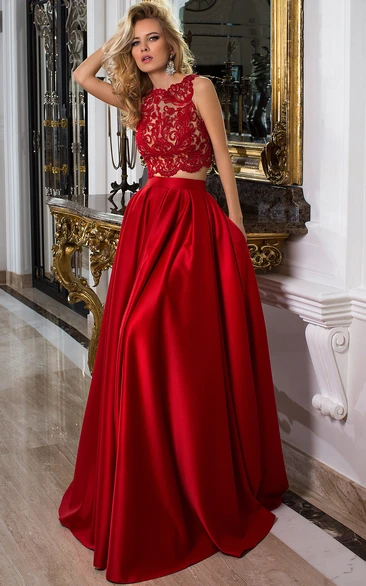
Styling mixed fabric red prom dresses requires a careful balance between enhancing the dress’s texture combinations and maintaining an overall cohesive look.
Accessories
Accessories should support the visual complexity of the dress without competing with its mixed textures. The goal is to either simplify or strategically accentuate the overall styling.
- Choose minimal jewelry for dresses with intricate fabric combinations
- Opt for statement pieces when the dress design is relatively simple
- Metallic tones such as gold and silver complement red satin effectively
- Maintain consistency in finishes (matte vs. glossy) for a unified appearance
Shoes
Footwear should align with the dominant fabric and overall tone of the dress to preserve visual harmony and avoid distraction.
- Metallic heels pair well with satin due to their shared reflective qualities
- Neutral-colored shoes help keep the focus on the dress
- Velvet or suede shoes complement textured gowns and richer fabric compositions
- Match shoe texture and finish with the primary fabric for better cohesion
Makeup & Hair
Makeup and hairstyle choices should be adapted to the complexity of the dress to create balance between beauty styling and fabric detail.
- Soft, natural makeup works best with heavily textured or lace-dominant designs
- Bold makeup styles enhance simpler or less detailed fabric combinations
- Updos highlight lace necklines and back details effectively
- Loose waves complement satin gowns by reinforcing fluid movement and softness
Clutch & Bag Pairing
A clutch should function as a subtle finishing touch that complements the dress rather than drawing attention away from it.
- Simple clutch designs are ideal for multi-texture dresses
- Textured or embellished clutches suit more minimal dress designs
- Metallic finishes coordinate well with satin elements and overall red tones
- Keep proportions and detailing aligned with the complexity of the outfit
Styling mixed fabric red prom dresses is most effective when all elements—accessories, shoes, makeup, hair, and bags—work together in harmony. A balanced approach ensures that the richness of satin, lace, and velvet remains the focal point while the overall look stays refined, cohesive, and elegant.
Common Mistakes to Avoid When Mixing Fabrics
When it comes to mixing fabrics in red prom dresses, achieving the right balance is essential for a polished and elegant look. While combining textures can add depth and visual interest, poor execution can make the outfit feel overwhelming or uncoordinated. A well-designed dress should highlight texture in a way that enhances the overall silhouette, not distracts from it.
One common mistake is overloading too many textures into a single design. Combining lace, satin, tulle, and sequins all at once can create visual clutter instead of harmony. Mixing fabrics with clashing visual weights is another issue—for example, pairing heavy, structured materials with extremely light, flowy ones can disrupt the natural drape of the dress. In mixing fabrics in red prom dresses, it’s also important to consider compatibility, ensuring that all materials work together in both structure and movement.
Quality and styling choices also play a crucial role. Low-quality fabrics can make even a well-designed dress look less refined, while over-accessorizing can compete with the textures already present. When a dress features multiple fabrics, keeping accessories minimal helps maintain a clean and elegant look. Ultimately, success in mixing fabrics in red prom dresses comes down to simplicity and balance, creating a cohesive style that feels intentional and effortlessly sophisticated.
How to Choose the Right Fabric Combination for Your Body Type?
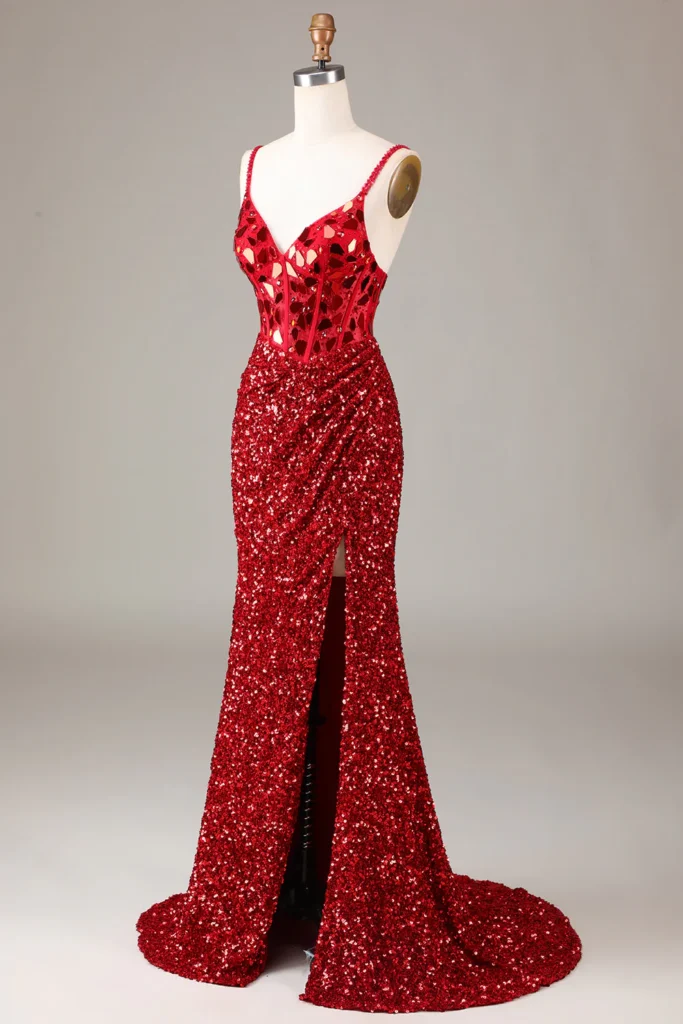
Different fabrics can enhance or soften certain body features.
- Satin works well for smooth silhouettes and elongating the body
- Lace draws attention to specific areas like the upper body
- Velvet adds volume and richness, ideal for structured looks
Strategic placement matters:
- Lace on the upper bodice highlights the neckline
- Satin skirts create a flowing, elongated effect
- Velvet bodices add definition and depth
Choosing the right combination helps create a flattering and confident look.
When to Choose a Mixed-Fabric Red Prom Dress?
Choosing a dress that blends textures can elevate your entire look, especially when you want something more distinctive. Mixing fabrics in red prom dresses is ideal when you’re aiming for a standout style that feels unique and fashion-forward rather than simple or predictable. The combination of textures adds depth, dimension, and a more curated, designer-inspired feel.
Mixed fabric dresses are especially suitable when:
- You want a unique, eye-catching prom look
- You prefer a more elevated, designer-inspired aesthetic
- You want to enhance your silhouette using texture contrast
- You are attending a formal evening event with a more refined dress code
These designs are particularly effective when a single fabric feels too plain or lacks visual interest. By thoughtfully mixing fabrics in red prom dresses, you can create a look that feels more dynamic, sophisticated, and visually balanced while still keeping the bold elegance of red as the centerpiece.
FAQs About Mixing Fabrics In Red Prom Dresses
These FAQs clarify key considerations when combining satin, lace, and velvet to achieve a balanced and cohesive prom dress design.
Can satin, lace, and velvet be combined in one dress?
Yes. When used with proper balance, the three fabrics can work together effectively. Satin typically provides structure, lace adds detail, and velvet contributes depth, resulting in a refined, high-fashion appearance.
Are mixed fabric prom dresses more expensive?
Often yes. The use of multiple fabrics increases design complexity, tailoring requirements, and material costs, which can raise the overall price compared to single-fabric dresses.
Which fabric combination is most popular?
Satin and lace is the most common pairing due to its versatility. Satin offers a smooth base, while lace introduces contrast and elegance, making it suitable for many prom styles.
How do you avoid a mismatched look?
Maintain consistent red tones, choose one dominant fabric, and use others as supporting elements. Balanced texture placement and controlled contrast help ensure a cohesive and harmonious design.
Conclusion
At ScarletSoirée, we see Mixing Fabrics in Red Prom Dresses as one of the most powerful ways to elevate your formal look. By combining materials like satin, lace, and velvet, you can achieve a dress that is not only visually striking but also rich in texture, depth, and personality. Whether you choose a satin and lace combination for a romantic feel, velvet and lace for a vintage-inspired aesthetic, or a multi-texture couture design, the key lies in balance, harmony, and intentional styling. With the right fabric pairing, your red prom dress becomes more than just an outfit—it becomes a statement of elegance, confidence, and individuality