Choosing the perfect prom dress is not only about silhouette or color—it is equally about the fabric. When it comes to red prom dresses, fabric plays a crucial role in defining how the dress looks, feels, and moves, making the choice of top fabrics for red prom dresses essential for achieving both comfort and elegance. The right material can elevate a simple design into a luxurious statement piece, while the wrong one may affect both fit and overall appearance.
At ScarletSoirée, we believe every red prom dress should balance comfort, elegance, and individuality. This guide explores popular red prom dress fabrics, their key characteristics, and how to choose the best option based on body type, season, and personal style—helping you understand how different materials influence drape, texture, and overall sophistication so you can make a confident and informed decision.
Why Fabric Choice Matters for Red Prom Dresses?
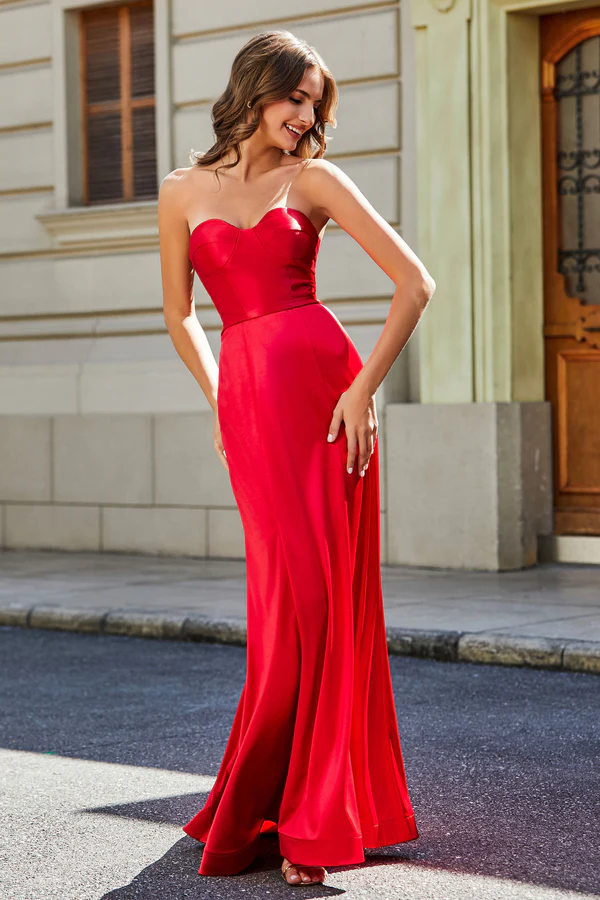
The fabric of a prom dress is more than just a material—it is the foundation of the entire design. It affects everything from comfort and movement to visual appeal and durability.
- Affects Comfort and Wearability: Comfort is one of the most important aspects of any prom dress. Breathable prom dress materials such as chiffon and silk allow air circulation, making them ideal for long events. On the other hand, heavier fabrics like velvet or mikado provide warmth but may feel less comfortable in hot environments.
- Influences Appearance and Elegance: Fabrics determine how a dress reflects light, drapes over the body, and enhances the richness of the red color. Glossy materials like satin create a luxurious shine, while matte fabrics like crepe offer a modern, understated elegance.
- Impacts Fit and Silhouette: Structured fabrics hold shape and create defined silhouettes, while flowy materials produce soft, romantic movements. Choosing between structured vs flowy fabrics is essential depending on the style you want—whether it’s a fitted mermaid gown or an airy A-line dress.
- Determines Seasonal Suitability: Different fabrics perform better in different climates. Lightweight prom dress fabrics are perfect for warm seasons, while thicker, insulating materials are better suited for cooler weather.
Top Fabrics for Red Prom Dresses
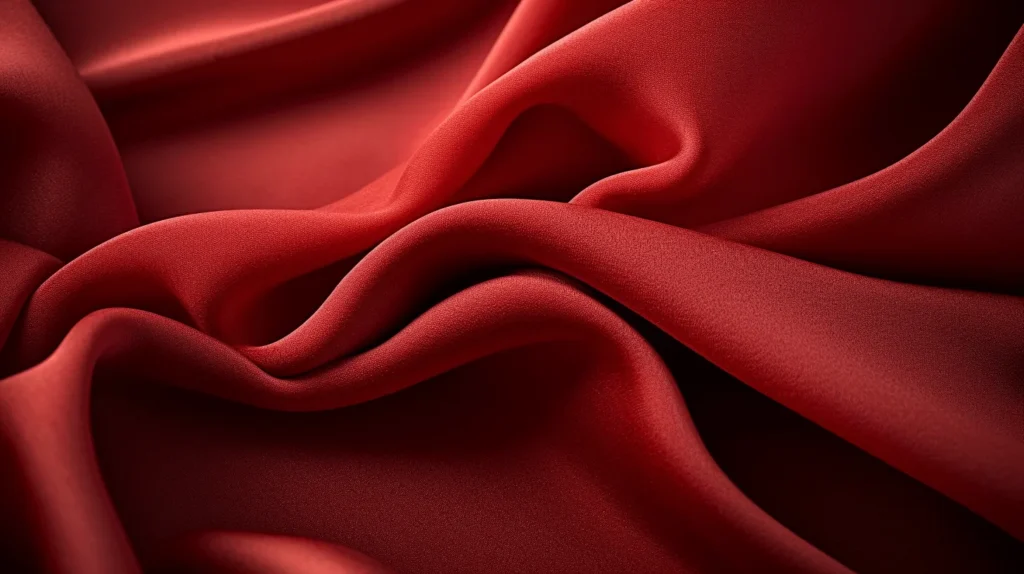
Below are the most widely used and effective fabrics for red prom dresses, each offering a distinct combination of comfort, structure, and visual appeal. Understanding these materials in detail helps in selecting a dress that not only looks elegant but also feels comfortable throughout the event.
Satin – Classic Shine and Timeless Elegance
Satin is one of the most recognizable and frequently used fabrics in formal wear, especially for red prom dresses. Its smooth surface and reflective finish enhance the intensity of red tones, giving the dress a rich, luminous appearance under lighting.
- Smooth, glossy surface with a luxurious sheen
- Medium to heavy weight with a fluid drape
- Soft handfeel combined with moderate structure
Pros
- Delivers a high-end, elegant aesthetic suitable for formal occasions
- Drapes beautifully over the body, enhancing fitted silhouettes
- Accentuates body contours, making it ideal for structured designs
- Performs well in sleek, minimalist styles with a polished finish
Cons
- Prone to visible wrinkles if not handled carefully
- Less breathable compared to lightweight fabrics
- Shiny surface may highlight seams or imperfections
Best For
- Bodycon, mermaid, and fitted silhouettes
- Structured evening gowns
- Glamorous, red carpet-inspired prom looks
Satin remains a top choice when the goal is to achieve a refined, sophisticated red prom dress with a strong visual impact.
Velvet – Rich Texture and Winter Elegance
Velvet is a premium fabric known for its depth, softness, and warmth. Its dense pile absorbs light rather than reflecting it, creating a deep, насыщенный red tone that appears especially luxurious in evening settings.
- Thick, plush texture with a soft surface
- Deep color saturation due to light absorption
- Heavier weight compared to most dress fabrics
Pros
- Provides warmth, making it suitable for cooler seasons
- Enhances the richness and depth of red hues
- Naturally elegant with a bold, dramatic presence
Cons
- Limited breathability in warm environments
- Heavier fabric may restrict airflow and movement slightly
- Requires careful maintenance to preserve texture
Best For
- Winter or evening prom dresses
- Long-sleeve or full-length gowns
- Dramatic, statement-making silhouettes
Velvet is ideal for achieving a regal, sophisticated look with strong visual depth and seasonal appropriateness.
Chiffon – Lightweight and Flowing Comfort
Chiffon is a go-to fabric for those prioritizing comfort and ease of movement. Its lightweight and semi-sheer nature creates a soft, airy effect that flows gracefully with the body.
- Sheer, lightweight construction
- Soft, fluid drape with subtle movement
- Typically layered or lined for coverage
Pros
- Highly breathable and suitable for extended wear
- Offers a comfortable, non-restrictive fit
- Creates elegant, flowing silhouettes with natural movement
- Ideal for warm climates and outdoor events
Cons
- Requires lining due to transparency
- Lacks structure, which may not suit fitted designs
- Delicate and prone to snagging if not handled properly
Best For
- A-line and empire waist dresses
- Layered or multi-tiered skirts
- Romantic, soft, and feminine styles
Chiffon is often favored for its balance of comfort and elegance, especially in designs that emphasize fluidity and lightness.
Tulle – Volume and Fairytale Appeal
Tulle is a lightweight net-like fabric commonly used to create volume and dimension in prom dresses. It is frequently layered to achieve a voluminous, princess-style silhouette.
- Fine mesh structure with a sheer appearance
- Lightweight but capable of holding volume
- Often used in multiple layers or combined with other fabrics
Pros
- Adds fullness and dramatic volume without excessive weight
- Enhances the overall structure of gowns
- Creates a fairytale-inspired aesthetic
Cons
- Can feel stiff depending on layering
- Requires lining or pairing with softer fabrics
- Not typically comfortable when worn alone
Best For
- Ball gowns and princess-style dresses
- Layered skirts with dramatic volume
- Statement prom dresses with a whimsical design
Tulle is best suited for designs that prioritize volume and visual impact over softness and simplicity.
Silk – Natural Luxury and Comfort
Silk is widely regarded as one of the most luxurious natural fabrics available. Its smooth texture, breathable properties, and elegant drape make it highly desirable for high-end prom dresses.
- Smooth, soft texture with a natural sheen
- Lightweight and breathable
- Derived from natural fibers
Pros
- Exceptionally comfortable and gentle on the skin
- Offers a refined, elegant drape
- Suitable for warm weather due to breathability
- Provides a subtle yet sophisticated shine
Cons
- Higher cost compared to synthetic fabrics
- Requires delicate care and maintenance
- Prone to wrinkling and damage if mishandled
Best For
- Minimalist and elegant dress designs
- High-end, couture-inspired prom gowns
- Soft, flowing silhouettes with understated luxury
Silk is ideal for those seeking a premium combination of comfort, breathability, and timeless elegance.
Lace – Feminine Detail and Texture
Lace is commonly used as an overlay or decorative element rather than a primary fabric. It adds intricate detailing and enhances the visual complexity of red prom dresses.
- Decorative, patterned fabric with openwork designs
- Lightweight and often semi-sheer
- Typically layered over a base fabric
Pros
- Adds depth, texture, and visual interest
- Enhances feminine and romantic aesthetics
- Versatile when combined with various base fabrics
Cons
- Requires lining for coverage
- Not suitable as a standalone fabric in most cases
- Breathability depends on layering
Best For
- Overlay designs on satin or chiffon bases
- Romantic, vintage-inspired dresses
- Dresses with detailed accents and embellishments
Lace contributes refinement and detail, elevating the overall sophistication of the dress design.
Organza – Structured Yet Lightweight
Organza is a crisp, sheer fabric that provides structure while maintaining a lightweight feel. It is often used in layered or sculpted designs to create volume without adding excessive weight.
- Thin, transparent fabric with a slightly stiff texture
- Holds shape well while remaining lightweight
- Frequently used in layering or structural elements
Pros
- Adds controlled volume and structure
- Maintains a light and airy overall feel
- Ideal for architectural or layered designs
Cons
- Less soft compared to chiffon or silk
- Can feel stiff against the skin
- Requires careful layering for comfort
Best For
- Structured skirts and layered gowns
- Decorative overlays and design accents
- Dresses requiring shape retention
Organza is well-suited for designs that need both structure and lightness in balance.
Crepe – Modern Minimalist Elegance
Crepe is known for its slightly textured surface and matte finish, offering a refined, contemporary look. Its subtle stretch and wrinkle-resistant properties make it a practical yet stylish choice.
- Textured surface with a matte appearance
- Medium weight with slight elasticity
- Smooth yet understated finish
Pros
- Resistant to wrinkles, maintaining a clean look
- Comfortable with a slight stretch for ease of movement
- Ideal for modern, minimalist aesthetics
Cons
- Lacks the shine associated with more formal fabrics
- May appear less dramatic in highly embellished designs
Best For
- Fitted and tailored prom dresses
- Minimalist and contemporary styles
- Sleek silhouettes with clean lines
Crepe is a strong option for those who prefer subtle sophistication over high-gloss finishes.
Jersey – Stretch and Everyday Comfort
Jersey fabric is valued for its elasticity and softness, making it one of the most comfortable materials used in prom dresses.
- Stretchable knit fabric
- Soft, lightweight, and flexible
- Casual yet adaptable in formal designs
Pros
- Offers excellent comfort and freedom of movement
- Wrinkle-resistant and easy to wear
- Adapts well to body contours
Cons
- Less formal appearance compared to structured fabrics
- May cling to the body, emphasizing shape
Best For
- Bodycon or fitted dresses
- Simple, comfort-focused designs
- Casual or semi-formal prom styles
Jersey is ideal for designs where comfort and flexibility are prioritized.
Mikado & Structured Fabrics – Shape and Definition
Mikado is a blend of silk and synthetic fibers that results in a structured, durable fabric with a slight sheen. It is commonly used in high-end gowns that require shape and definition.
- Thick, structured material with moderate sheen
- Strong ability to hold shape
- Heavier than most lightweight fabrics
Pros
- Creates sharp, defined silhouettes
- Offers a polished, luxurious finish
- Durable and long-lasting
Cons
- Less breathable due to thickness
- Heavier weight may limit comfort in warm environments
Best For
- A-line and structured gowns
- Formal, architectural dress designs
- Prom dresses requiring volume and shape control
Mikado is an excellent choice for achieving a structured, elegant look with a premium finish.
A well-informed choice ensures not only a visually stunning appearance but also lasting comfort throughout the event, allowing the wearer to move confidently and naturally.
How to Choose the Best Fabric for Your Red Prom Dress?
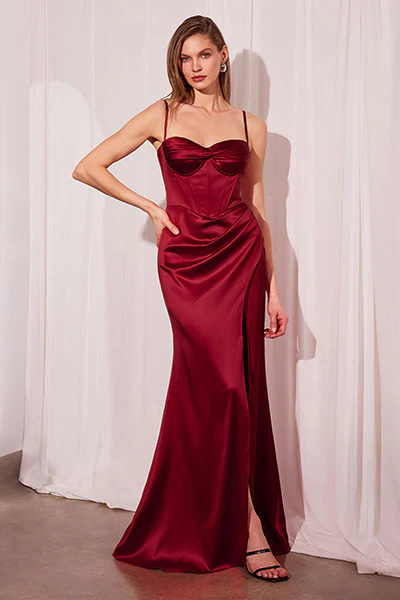
Selecting the right fabric is a strategic decision that goes beyond aesthetics. The ideal choice should align with body type, climate, dress design, and comfort preferences, ensuring the final look is both visually appealing and practical for extended wear. Understanding how different fabrics interact with these factors helps in narrowing down the most suitable option for a red prom dress.
Body Type
Fabric plays a significant role in enhancing or balancing body proportions.
- Hourglass shapes: Fabrics like satin, velvet, and jersey help highlight natural curves while maintaining structure and smooth contours.
- Petite frames: Lightweight and fluid materials such as chiffon and crepe create an elongating effect without overwhelming the silhouette.
- Plus-size figures: Structured fabrics like mikado or satin provide definition and support, while also offering a refined and polished appearance.
Choosing fabrics that complement body proportions ensures better fit, improved comfort, and a more flattering overall silhouette.
Climate and Season
Environmental conditions significantly influence fabric performance.
- Summer or warm climates: Breathable and lightweight fabrics such as chiffon and silk allow airflow and reduce heat retention, making them suitable for long events.
- Winter or cooler climates: Heavier fabrics like velvet and mikado provide insulation and a more substantial feel, aligning well with seasonal comfort needs.
Selecting season-appropriate fabrics enhances both comfort and practicality throughout the event.
Dress Style
Different silhouettes require different fabric characteristics to achieve the desired structure and movement.
- Fitted styles: Satin, crepe, and jersey offer smooth finishes and controlled stretch, supporting close-to-body designs like mermaid or bodycon dresses.
- Flowing styles: Chiffon and organza create soft movement and layered effects, ideal for A-line or empire waist dresses.
- Voluminous styles: Tulle and mikado provide structure and volume, making them suitable for ball gowns and dramatic silhouettes.
Matching fabric with design intent ensures the dress maintains its shape and intended aesthetic.
Comfort Level
Comfort is a critical factor, especially for long events such as prom.
- Stretch fabrics (e.g., jersey) allow flexibility and ease of movement.
- Breathable fabrics (e.g., chiffon, silk) reduce heat buildup and enhance wearability.
- Lightweight materials reduce physical strain and improve overall comfort during extended wear.
Prioritizing comfort ensures confidence and ease throughout the evening without compromising style.
Fabric Comparison: Comfort vs Elegance
When evaluating fabrics, it is essential to understand the balance between comfort and visual impact, as different materials emphasize different qualities.
- Lightweight fabrics (chiffon, silk): Offer superior comfort, breathability, and fluid movement, though they typically provide less structure and support.
- Heavy fabrics (velvet, mikado): Deliver strong structure, depth, and a more formal appearance, but may be less breathable and heavier to wear.
- Shiny fabrics (satin): Provide a luxurious, high-elegance finish with moderate comfort, often enhancing formal and glamorous designs.
- Matte fabrics (crepe): Deliver a modern, understated look with subtle elegance and practical comfort, ideal for minimalist styles.
- Stretch fabrics (jersey): Maximize comfort and flexibility, offering ease of movement while maintaining a casual or semi-formal aesthetic.
Understanding these trade-offs allows for a more informed decision that aligns with both aesthetic goals and functional needs.
Tips for Styling Red Prom Dresses Based on Fabric
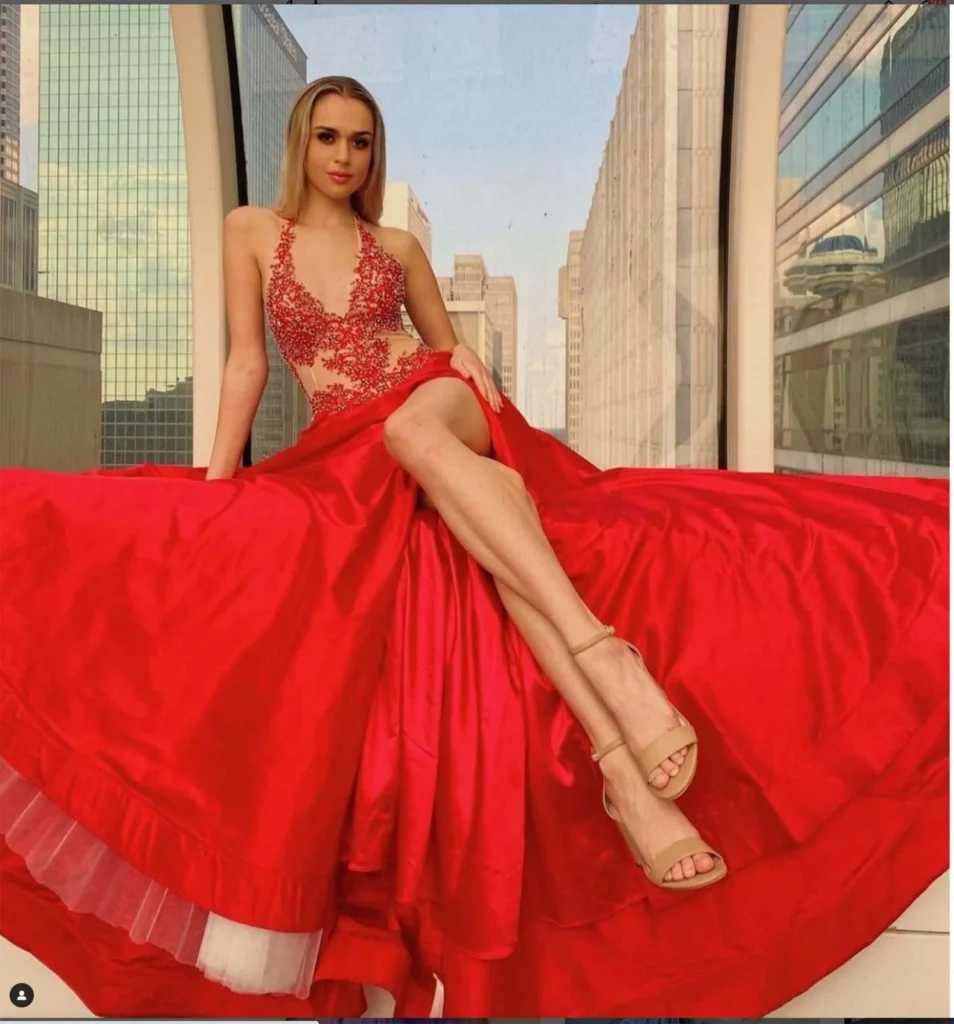
Styling choices should complement the characteristics of the chosen fabric to create a cohesive and polished look.
- Satin dresses pair well with minimal, refined accessories that enhance their natural sheen without overwhelming the design.
- Velvet dresses are best complemented with warm-toned or metallic jewelry that aligns with their rich texture and depth.
- Chiffon and lace dresses benefit from delicate, lightweight accessories that maintain the softness and flow of the overall look.
- Structured fabrics such as mikado or heavy satin work well with defined hairstyles like sleek updos or polished ponytails.
- Flowing fabrics pair naturally with soft hairstyles and neutral or balanced makeup looks to maintain harmony in the overall styling.
Coordinating styling elements with fabric type enhances the overall aesthetic and ensures a balanced, cohesive appearance.
Common Mistakes When Choosing Fabrics
Avoiding common pitfalls is essential to achieving both comfort and visual appeal in a red prom dress.
- Ignoring weather conditions, which can lead to discomfort due to overheating or insufficient warmth
- Prioritizing appearance over comfort, resulting in restricted movement or wearability issues
- Selecting fabrics that do not align with body proportions or dress structure
- Overlooking the importance of lining, layering, or fabric transparency
- Choosing materials based solely on appearance without considering flexibility and movement
Being mindful of these factors helps ensure a better fit, improved comfort, and a more enjoyable overall prom experience
FAQs About Top Fabrics For Red Prom Dresses
Below are answers to the most common questions related to selecting fabrics for red prom dresses, providing practical insights to help guide better decision-making based on comfort, style, and functionality.
What is the most comfortable fabric for red prom dresses?
Fabrics such as chiffon, silk, and jersey are widely recognized for their comfort due to their lightweight, breathable, and soft properties. Chiffon offers excellent airflow and a flowing feel, silk provides a smooth, skin-friendly texture with natural breathability, and jersey adds flexibility with its stretchable structure. These materials are particularly suitable for long events where ease of movement and ventilation are important.
Which fabric looks the most luxurious?
Satin and velvet are often associated with luxury due to their distinctive textures and visual depth. Satin delivers a smooth, glossy finish that reflects light and enhances the vibrancy of red tones, while velvet provides a rich, matte-like depth with a plush surface that absorbs light, creating a more opulent and dramatic effect. Both fabrics are commonly used in formal and high-end prom designs.
What fabric is best for hot weather prom dresses?
Lightweight and breathable fabrics such as chiffon and silk are the most suitable for warm climates. Chiffon allows air circulation due to its airy structure, while silk naturally regulates temperature and feels cool against the skin. These materials help maintain comfort throughout the event by reducing heat retention and allowing easier movement.
Is satin or chiffon better for prom dresses?
The choice between satin and chiffon depends largely on the desired style and comfort level. Satin is better suited for structured, fitted, and formal designs, offering a polished and elegant appearance with a smooth finish. In contrast, chiffon is ideal for flowing, layered dresses that prioritize comfort, breathability, and movement. Each fabric serves different design intentions rather than one being universally superior.
Conclusion
Selecting the right material is one of the most important steps in finding your perfect prom dress. The top fabrics for red prom dresses each bring unique qualities that influence comfort, elegance, movement, and overall appearance. From the luxurious shine of satin to the soft flow of chiffon, the rich texture of velvet, and the structured beauty of mikado, every fabric offers something distinct. At ScarletSoirée, we encourage you to choose a fabric that not only complements your body type and style but also aligns with your comfort needs and the atmosphere of your event.
Whether you prefer a bold, glamorous look or a soft, romantic silhouette, the right fabric will ensure you feel confident, comfortable, and unforgettable on your special night.