Prom night is one of those rare moments where everything feels cinematic—the lights, the music, the memories in the making. And at the center of it all is your dress. A red prom dress, in particular, is bold, timeless, and undeniably eye-catching. But here’s the truth many readers overlook: even the most stunning red gown can fall flat if the fit isn’t right.
At ScarletSoirée, we believe confidence begins with how your dress fits—not just how it looks on the hanger or in photos. That’s why this guide is dedicated to helping you Avoid These Common Red Prom Dress Fit Mistakes, while also covering all the essential semantic considerations around sizing, body shape, fabric, tailoring, and styling. Whether you’re shopping online or trying dresses in-store, this comprehensive guide will help you make informed choices, avoid common pitfalls, and ensure your red prom dress enhances your natural shape rather than working against it.
Why Fit Matters More Than Style in a Red Prom Dress?
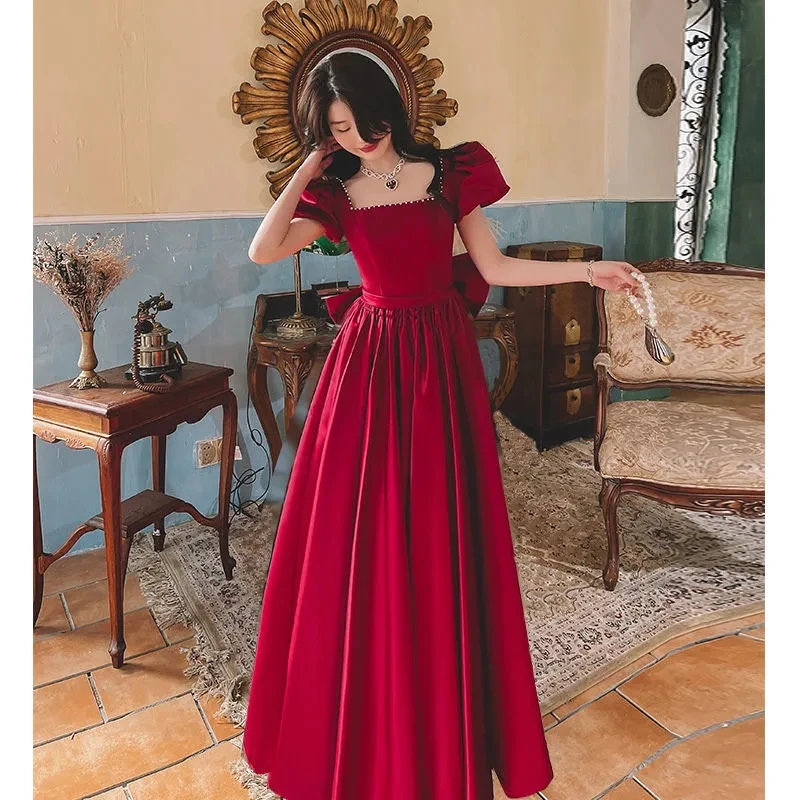
A red prom dress naturally draws attention. Unlike neutral tones, red amplifies visibility, meaning every detail—from seam alignment to silhouette balance—becomes more noticeable.
A well-fitted dress:
- Enhances body proportions
- Improves posture and confidence
- Ensures comfort throughout the night
- Creates a polished, elegant appearance
On the other hand, an ill-fitting dress can:
- Distract from the overall look
- Cause discomfort or restriction
- Highlight areas you may prefer to downplay
- Affect movement and posture
This is why understanding fit is just as important as choosing a beautiful design.
Common Red Prom Dress Fit Mistakes You Should Avoid
Understanding fit is essential when selecting a red prom dress, as even subtle fitting issues can significantly impact overall appearance, comfort, and confidence. Below are the most common fit mistakes, along with deeper insights and practical solutions based on real-world styling and tailoring experience.
Choosing the Wrong Size
One of the most frequent and critical mistakes is selecting an incorrect size, often due to relying on assumptions rather than actual measurements or size charts. Why this happens:
- Ignoring brand-specific sizing guides, which can vary widely
- Choosing sizes based on everyday clothing rather than formalwear standards
- Overlooking natural body changes such as weight fluctuations or posture differences
Problems caused:
- Dresses that are too tight can create tension across seams, restrict movement, and highlight unwanted bulges
- Dresses that are too loose tend to lose structure, resulting in a boxy or unrefined silhouette
Accurate body measurements (bust, waist, hips) should always be compared against the brand’s sizing chart. Formal dresses require precision, so prioritizing measurements over standard size labels ensures a more reliable fit and reduces the need for extensive alterations.
Ignoring Body Shape and Proportions
A well-fitting dress is not only about size but also about how well the silhouette aligns with body proportions.
Common body shapes include: Hourglass, pear, apple, petite, and plus size
Mistake: Selecting a dress based purely on visual appeal or trends without considering how the design interacts with body proportions.
Example mismatches:
- A mermaid dress on a body type better suited for balanced A-line silhouettes
- Oversized or heavily layered gowns on petite frames, which can overwhelm proportions
- Straight-cut designs that fail to define or enhance the waistline
Matching silhouette to body type improves visual balance:
- Hourglass → fitted styles such as mermaid or bodycon
- Pear → A-line or off-shoulder styles to balance the lower body
- Apple → empire waist or flowy cuts to elongate the torso
- Petite → streamlined designs with vertical emphasis and minimal volume
- Plus size → structured fabrics that provide support and define curves
Bust Fit Issues: Gaping or Too Tight
The bust area is one of the most visible and technically challenging aspects of dress fitting.
- Gaping neckline or loose fabric at the chest
- Compression or overflow due to insufficient space
- Lack of proper lift and support
Causes:
- Incorrect cup sizing
- Lack of internal structure such as boning or padding
- Inadequate tailoring in the bodice area
Selecting dresses with built-in support systems such as corset backs, boning, or structured cups can significantly improve fit. Additional support can be achieved through strapless or adhesive bras, while tailoring adjustments like darts or seam refinements help contour the bodice more precisely to the body.
Poor Waistline Placement
Waistline positioning plays a central role in defining body proportions and overall silhouette balance. Mistakes include:
- Waistlines positioned too high or too low
- Lack of waist definition in loose or unstructured designs
- Misaligned seams that distort proportions
Effects:
- Disrupted visual balance
- Shortened or elongated torso appearance
- Reduced definition of natural curves
The waistline should align with the wearer’s natural waist or be intentionally designed (e.g., empire waist) to complement the body. Proper tailoring can adjust seam placement to ensure the waistline enhances rather than distorts proportions.
Incorrect Dress Length
Length is often underestimated but has a direct impact on both aesthetics and functionality. Common issues:
- Dresses that drag on the floor, causing inconvenience or potential tripping
- Hemlines that appear too short for formal settings
- Ignoring heel height when determining final dress length
Always try on the dress with the intended footwear to assess the true hemline position. Hemming should be considered part of the tailoring process to ensure the dress maintains elegance while allowing safe and comfortable movement.
Overly Tight Prom Dress Fit
A dress that is too tight may appear form-fitting at first glance, but it often compromises both comfort and functionality. Signs of excessive tightness:
- Difficulty breathing or restricted movement
- Visible strain across seams, zippers, or closures
- Pulling or wrinkling at stress points
Risks:
- Limited ability to sit, walk, or dance comfortably
- Increased discomfort over extended wear
- Potential damage to the dress structure
The ideal fit should contour the body without compressing it. Choosing a slightly larger size with the intention of tailoring allows for a more controlled and precise final fit.
Too Loose or Oversized Fit
While comfort is important, excessive looseness can negatively affect the dress’s overall structure and appearance.
- Lack of shape or definition
- Boxy or shapeless silhouette
- Reduced visual elegance and refinement
Opt for dresses with inherent structure or those that can be tailored to fit more closely. Adjustments at the waist, bust, or seams can significantly improve proportion and definition while maintaining comfort.
Ignoring Fabric Type and Structure
Fabric selection directly influences how a dress fits, drapes, and maintains its shape.
Common fabric types:
- Satin: structured with a smooth finish
- Velvet: heavier, supportive, and rich in texture
- Chiffon: lightweight and flowy
- Stretch fabrics: flexible and body-hugging
Mistake: Choosing a fabric without considering how it behaves on the body.
Effects:
- Poor draping or unwanted clinging
- Wrinkling or lack of structure
- Inconsistent silhouette depending on movement
Structured fabrics are ideal for shaping and support, while flowy fabrics work well for softer, more relaxed silhouettes. Stretch materials offer comfort and adaptability, particularly for fitted designs.
Lack of Proper Support and Structure
Support elements are crucial, especially for strapless or fitted red prom dresses.
- Slipping straps or unstable bodices
- Insufficient internal support
- Frequent need for adjustments throughout wear
Look for dresses featuring corset backs, built-in bras, or boning. Choosing the right undergarments also enhances support and improves overall fit stability. Proper structure ensures the dress stays in place and maintains its intended shape throughout the event.
Overlooking Alterations
Off-the-rack dresses rarely provide a perfect fit without adjustments. Common alteration needs:
- Hemming for accurate length
- Taking in or letting out seams
- Adjusting straps for better support
- Refining bust or waist areas
Skipping tailoring due to time constraints or budget limitations.
Planning for alterations is an essential part of the dress selection process. Scheduling fittings in advance and working with an experienced tailor ensures the dress aligns precisely with body measurements and enhances the final look.
How to Choose the Right Red Prom Dress Fit?
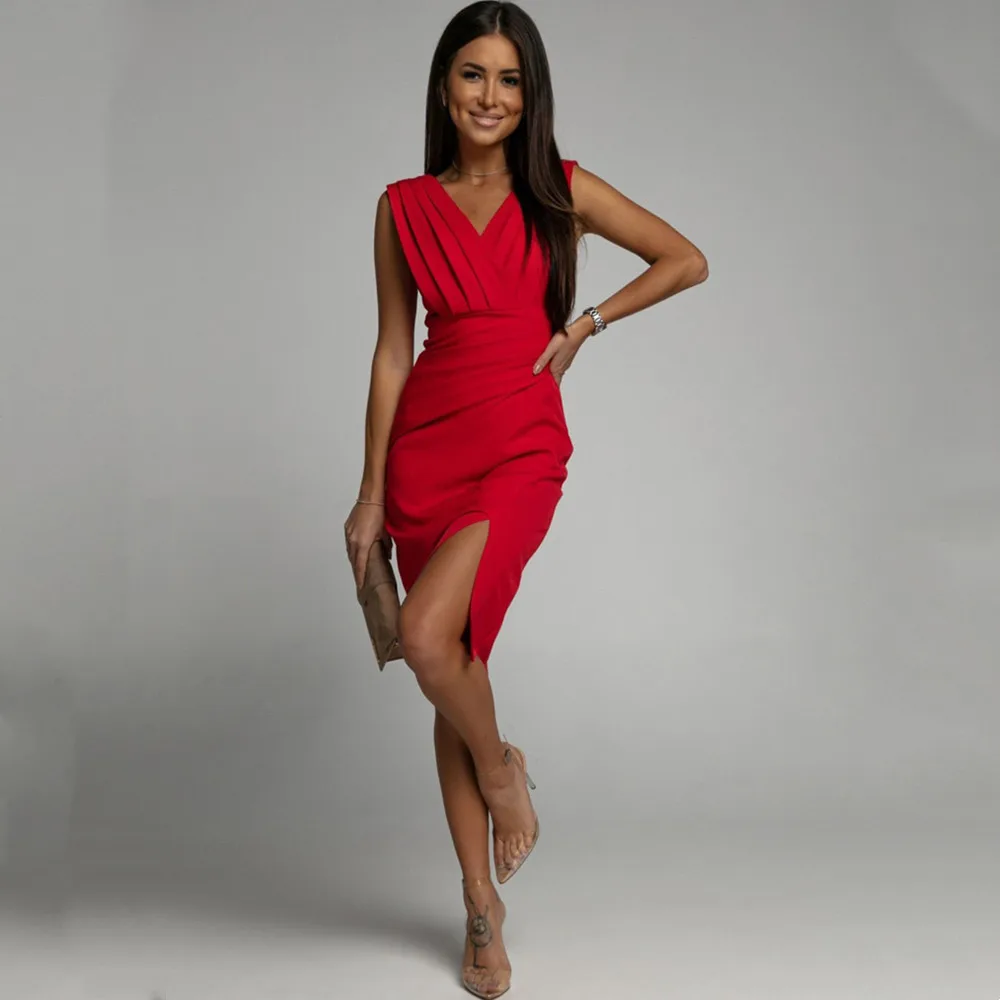
Selecting the right red prom dress fit requires a combination of accurate measurements, an understanding of body proportions, and awareness of how fabric, silhouette, and structure interact. A thoughtful approach ensures the dress not only looks visually appealing but also delivers comfort, balance, and confidence throughout the event.
Take Accurate Measurements
A precise fit begins with accurate body measurements rather than assumptions about standard sizing.
- Bust: measured around the fullest part of the chest
- Waist: measured at the narrowest point of the torso
- Hips: measured around the widest part of the hips
These measurements should always be compared directly with the brand’s size chart, as sizing can vary significantly across designers and collections. Relying on general clothing sizes often leads to inconsistencies, especially in formalwear where structure and precision matter more.
Understand Body Type and Proportions
Identifying body shape is essential for selecting a dress that enhances natural proportions rather than working against them.
- Hourglass: balanced proportions benefit from fitted styles that emphasize curves
- Pear: designs that draw attention to the upper body while balancing the hips, such as A-line silhouettes
- Apple: styles that create the illusion of a defined waist, such as empire waist dresses
- Petite: streamlined, vertical-focused designs that elongate the frame and avoid excessive volume
- Plus size: structured dresses that provide support while enhancing natural curves
Understanding proportions helps narrow down options and ensures the dress complements the overall silhouette.
Choose the Right Silhouette
Silhouette defines how the dress frames and interacts with the body, making it one of the most important elements in achieving a proper fit.
- A-line: gradually flares from the waist, offering balance and versatility
- Mermaid: fitted through the bodice and hips, flaring out below the knees to accentuate curves
- Fit-and-flare: combines structure at the top with movement at the bottom
- Empire waist: features a high waistline that elongates the body and creates a flowing effect
Each silhouette serves a different purpose, and selecting the right one ensures proportional harmony and visual balance.
Consider Fabric and Stretch
Fabric choice plays a significant role in both comfort and structural performance of the dress.
- Stretch vs. non-stretch materials: stretch fabrics provide flexibility, while non-stretch fabrics offer structure
- Breathability: important for long wear during events
- Weight and drape: heavier fabrics create structured silhouettes, while lighter fabrics offer flow
- Structural support: fabrics like satin or velvet often provide more defined shapes
The interaction between fabric and body type determines how the dress will sit, move, and maintain its shape throughout wear.
Prioritize Comfort and Mobility
A well-fitted red prom dress should allow natural movement without restriction, ensuring comfort throughout the event.
- Sitting comfortably without tightness across seams
- Walking without dragging or resistance
- Dancing without adjusting or readjusting the dress
If movement feels limited or forced, the fit may not be suitable. Comfort should always align with aesthetics to ensure the dress performs well in real-life conditions, not just visually.
Bust Support and Alteration Tips
A well-supported bust area contributes significantly to both fit and overall silhouette quality.
Support options include:
- Strapless bras designed for formalwear
- Adhesive bras for backless or low-back dresses
- Corset-style dresses with built-in shaping
- Built-in padding or structured cups for added lift
Alteration techniques to improve bust fit:
- Adding darts to refine shaping and eliminate gaping
- Adjusting side seams for a closer contour
- Reinforcing internal structure such as boning
- Modifying straps to improve stability and positioning
Proper support ensures the dress maintains its intended shape while providing comfort and security throughout wear.
Styling Tips That Complement Fit
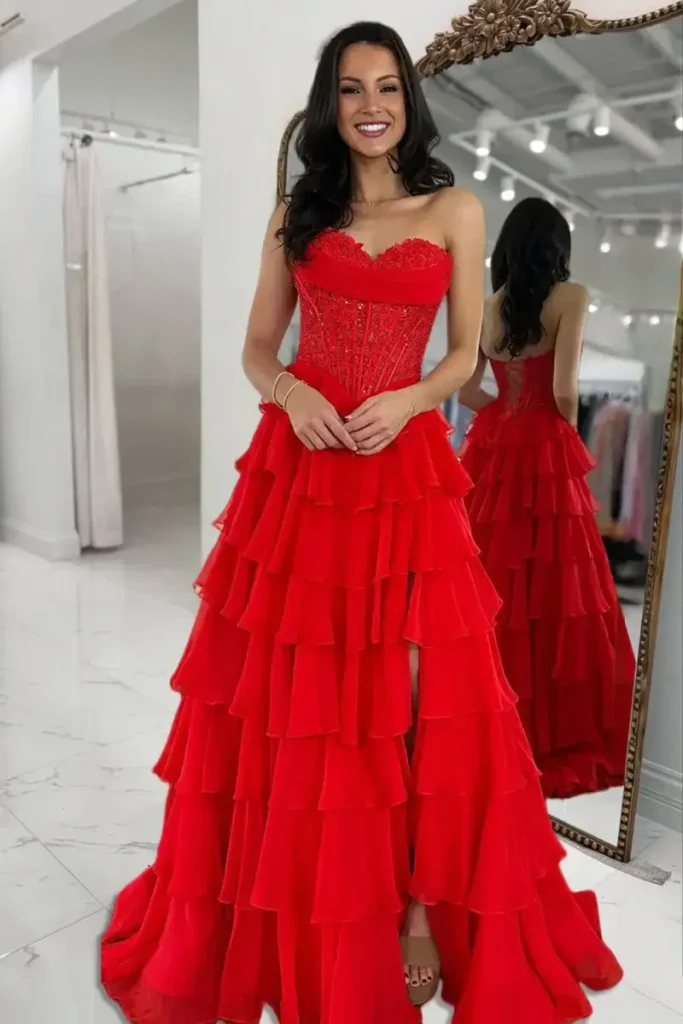
Styling choices can enhance or balance the overall appearance of a well-fitted red prom dress.
Hairstyling options:
- Updos: highlight the neckline and shoulders while creating a refined look
- Loose waves: add softness and movement to structured silhouettes
- Sleek ponytails: offer a modern, clean aesthetic that complements bold designs
Makeup considerations:
- Bold red lips: create a cohesive and classic look with the dress color
- Neutral glam: allows the dress to remain the focal point
- Defined eyes: balance strong color tones and enhance facial features
Accessory selection:
- Minimal jewelry for understated elegance
- Statement pieces for a more dramatic appearance
- Footwear that complements posture, height, and overall proportion
The goal of styling is to support the dress rather than compete with it, maintaining visual harmony.
Red Prom Dress Shopping Tips
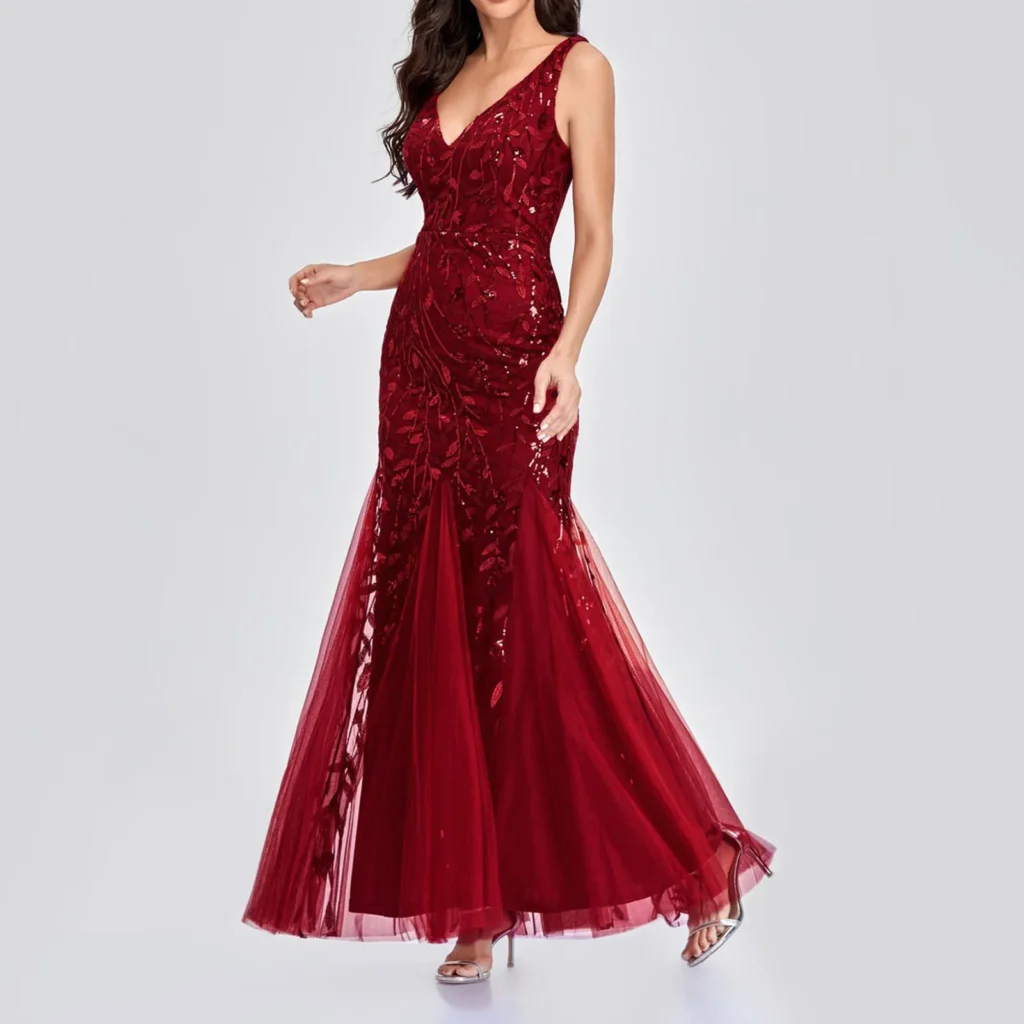
In-Store Shopping
Trying dresses in person allows for immediate evaluation of fit, comfort, and silhouette.
- Experiment with multiple silhouettes to identify the most flattering option
- Walk, sit, and move naturally in each dress
- Consult with staff regarding potential alterations and fit adjustments
This hands-on experience helps identify subtle fit issues that may not be obvious at first glance.
Online Shopping
Online purchases require more attention to detail to ensure an accurate fit.
- Carefully reviewing size charts and measurement guidelines
- Reading customer reviews for real-world fit insights
- Examining real photos rather than relying solely on product images
- Understanding return, exchange, and alteration policies before purchasing
A cautious and informed approach reduces the risk of sizing errors and improves the likelihood of a satisfactory fit.
Common Red Flags When Trying On Dresses
Watch out for:
- Fabric pulling or stretching
- Zipper strain
- Uneven hemline
- Gaping seams
- Discomfort when moving
These are indicators that the dress may require adjustments or a different size.
FAQs about Avoid These Common Red Prom Dress Fit Mistakes
These FAQs address the most common concerns when choosing and fitting a red prom dress, helping clarify sizing, proportions, and tailoring considerations.
What is the most common red prom dress fit mistake?
The most common mistake is selecting the wrong size or overlooking body proportions. Relying only on standard sizing instead of actual measurements often leads to dresses that are too tight, too loose, or poorly balanced on the body. Ignoring how a silhouette interacts with body shape can also result in a look that does not highlight natural features or maintain visual harmony.
How do I know if a red prom dress fits correctly?
A correctly fitting dress should feel secure yet comfortable, allowing natural movement without restriction. The bust area should lie flat without gaping or excessive compression, the waistline should align properly with the body’s natural proportions, and the hem should fall at an appropriate length relative to footwear. The fabric should sit smoothly without pulling, wrinkling, or creating tension across seams. Overall, the dress should enhance body shape while maintaining comfort and stability.
Can a dress be altered to fix fit issues?
Yes, most red prom dresses can be improved through professional tailoring. Common alterations include hemming to adjust length, taking in or letting out seams to refine the silhouette, and modifying the bust area for better shaping and support. Additional adjustments such as strap repositioning, adding darts, or reinforcing structure with boning can further improve fit. While not all design elements can be changed, tailoring significantly bridges the gap between standard sizing and an ideal fit.
Should comfort or style be prioritized?
Both comfort and style should be considered together. Style ensures the dress aligns with aesthetic preferences and the overall formal look, while comfort determines how well the dress performs during wear. A well-balanced dress allows ease of movement, supports posture, and remains visually appealing throughout the event. Prioritizing only one aspect often leads to compromises in either appearance or wearability.
Do all prom dresses require alterations?
Not all prom dresses require alterations, but many off-the-rack options benefit from minor adjustments. Even when a dress appears to fit adequately, small refinements in areas such as hem length, waist shaping, or bust support can improve overall proportion and comfort. Tailoring helps align the garment more closely with individual body measurements, resulting in a more polished and refined final look.
Conclusion
Choosing the perfect red prom dress is about more than just style—it’s about precision, proportion, and fit. By understanding and learning how to Avoid These Common Red Prom Dress Fit Mistakes, you can ensure your dress enhances your natural shape, supports your movements, and reflects your personal confidence. From selecting the right size and silhouette to considering fabric, support, and tailoring, every detail plays a role in achieving a flawless look. ScarletSoirée believes that when fit is done right, a red prom dress doesn’t just stand out—it transforms how you feel, move, and shine throughout your special night.