A red prom dress is bold, elegant, and unforgettable—but it is also one of the most challenging garments to maintain, especially when stains happen at the worst possible moment. Whether it’s a spilled drink, a makeup smudge, or an unexpected food stain, quick action is essential to prevent permanent damage.
At ScarletSoirée, we understand that your prom night should be about confidence and enjoyment—not worrying about stains. That’s why this guide on Quick Stain Removal Tips for Red Prom Dresses brings together practical, effective, and fabric-safe methods to handle emergencies with ease. From identifying stain types to using the right cleaning techniques for delicate fabrics like satin, chiffon, silk, and velvet, this guide covers everything you need to keep your dress looking flawless.
In this comprehensive guide, you’ll learn quick stain removal techniques, emergency cleaning hacks, fabric-specific care, prevention strategies, and aftercare tips—all designed to help you protect your red prom dress without compromising its color or texture.
Why Stain Removal on Red Prom Dresses Requires Special Care?
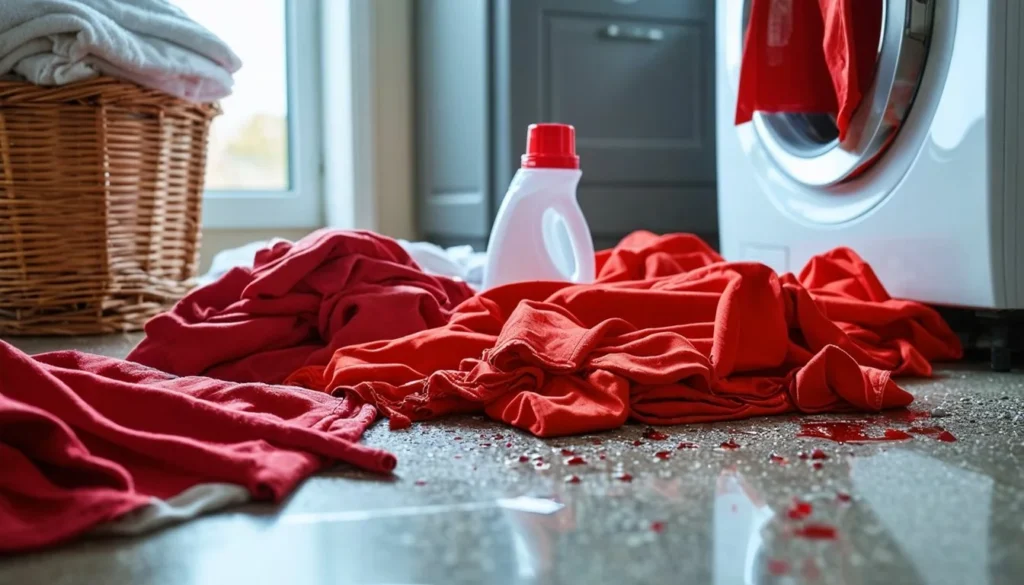
Red prom dresses are visually striking, but the fabric and dye used in red garments often require extra attention during cleaning.
Color Sensitivity and Dye Behavior
Red dyes are known for being prone to:
- Color bleeding
- Fading under heat or sunlight
- Reacting poorly to harsh chemicals
Improper stain removal can easily cause discoloration or patchy fading, especially on high-quality fabrics.
Delicate Fabric Structures
Many red prom dresses are made from materials such as:
- Satin
- Silk
- Chiffon
- Velvet
These fabrics are sensitive to water, friction, and cleaning agents, meaning aggressive cleaning methods can damage fibers or alter the texture.
Time Sensitivity of Stains
The longer a stain sits, the more it binds to the fabric. This is especially true for:
- Oil-based stains
- Pigmented stains like makeup or wine
- Protein-based stains like sweat
Quick intervention is crucial to prevent stains from becoming permanent.
Common Types of Stains on Red Prom Dresses

Understanding the type of stain is the first step in choosing the correct removal method.
Food and Drink Stains
Common during prom events, including:
- Sauce spills
- Chocolate smudges
- Wine and juice stains
- Beverage splashes
These stains often contain pigments and sugars that can set quickly.
Makeup Stains
Makeup products are a frequent cause of stains:
- Lipstick transfers
- Foundation marks
- Powder residue
These stains often contain oils and pigments that cling to fabric fibers.
Oil and Grease Stains
Sources include:
- Body oils
- Lotions and creams
- Fried or oily foods
Oil stains are particularly stubborn and require absorption-based techniques.
Sweat Stains
- Underarm moisture
- Heat and perspiration marks
Sweat stains may leave discoloration and odor if not treated promptly.
Outdoor and Environmental Stains
- Grass stains
- Dirt marks
- Ink or accidental smudges
These stains may contain a combination of organic and pigment-based residues.
Quick Stain Removal Tips for Red Prom Dresses (Emergency Guide)

When a stain appears on a red prom dress, immediate and informed action plays a critical role in preventing long-term damage. With over a decade of experience in SEO content and practical garment care guidance, it’s clear that successful stain removal depends on technique, timing, and an understanding of fabric behavior.
- Act Immediately: Time is a decisive factor in stain removal. Fresh stains remain on the surface of the fabric and have not yet bonded deeply with the fibers, making them significantly easier to treat. Delaying even a short period can allow pigments, oils, or liquids to penetrate further, increasing the difficulty of removal and the likelihood of permanent staining.
- Blot—Do Not Rub: Blotting is one of the most fundamental yet often overlooked techniques. Using a clean tissue or soft cloth, gently press onto the stain to absorb excess liquid. Rubbing should be avoided as it can push the stain deeper into the fabric weave and cause spreading or fiber distortion. Controlled, light pressure ensures the stain is lifted rather than embedded.
- Use Cold Water First: Cold water is generally the safest initial treatment for most stain types. It helps prevent protein-based stains from setting, reduces the risk of color bleeding in red fabrics, and loosens surface residues without altering fabric structure. Hot water should only be considered when the stain type is clearly identified and proven safe for heat treatment, as it may закреп stains instead of removing them.
- Apply Gentle Cleaning Solutions: Mild, fabric-safe solutions are essential for delicate garments. Suitable options include diluted mild detergent, dish soap for grease-based stains, diluted vinegar for light stains and odors, and baking soda paste for absorbing residues. These solutions should be applied sparingly to avoid oversaturation, which can affect both the fabric texture and color stability.
- Spot Cleaning Technique: Rather than cleaning the entire dress, focusing only on the affected area minimizes risk. A cotton swab, soft cloth, or clean sponge can be used to apply the cleaning solution precisely. Working from the outer edge of the stain toward the center helps prevent spreading and keeps the stain contained during treatment. This method is especially important for preserving the surrounding fabric.
- Test Cleaning Solutions First: Before applying any cleaning agent, testing on a hidden or inconspicuous section of the dress is essential. This step helps identify potential issues such as color bleeding, discoloration, or fabric reaction. Red fabrics, in particular, may react unpredictably to certain solutions, making this precaution a critical part of the process.
- Handle Delicate Fabrics with Care: Each fabric type requires a tailored approach due to differences in texture, weave, and sensitivity. Silk and chiffon should be treated with minimal moisture and gentle dabbing motions. Satin requires careful handling to preserve its sheen, avoiding excessive friction. Velvet should never be scrubbed or saturated with water; instead, dry or minimally moist methods are preferred to maintain its pile and structure.
Fabric-Specific Stain Removal Tips
Satin Dresses: Satin responds best to gentle care. Cold water combined with mild detergent is typically sufficient for light stains. Blotting should replace rubbing to maintain the smooth, reflective surface. Excessive force or aggressive cleaning can dull the finish or leave visible marks.
Chiffon Dresses: Chiffon is highly delicate and lightweight, requiring minimal intervention. Cleaning should involve very light dabbing with limited moisture. Overuse of liquid or cleaning agents can distort the fabric’s flow and structure, so restraint is key.
Silk Dresses: Silk demands specialized attention due to its sensitivity to both moisture and chemicals. Silk-safe detergents or highly diluted solutions are recommended, with strict avoidance of soaking. Handling should always involve soft materials to prevent fiber damage and maintain the fabric’s natural luster.
Velvet Dresses: Velvet requires a non-invasive approach. Water saturation should be avoided whenever possible, as it can alter the texture and appearance of the pile. Dry stain removal techniques or minimal blotting are preferable, ensuring the fabric retains its depth and richness without flattening.
Quick Home Remedies for Stain Removal
Home remedies can offer practical and accessible solutions for handling fresh or light stains when applied correctly and with attention to fabric sensitivity.
- Vinegar Solution: A diluted vinegar solution, typically mixed in equal parts with water, is effective for addressing mild stains and neutralizing odors. Its mild acidic properties help break down residue without being overly harsh on most fabrics. Application should be light and controlled to avoid affecting color integrity, especially on red garments.
- Baking Soda Paste: Baking soda combined with a small amount of water creates a gentle paste that works well for absorbing oil and grease-based stains. When applied to the affected area, it helps draw out excess oils from the fabric fibers. It is best used in moderation and removed carefully to prevent residue buildup.
- Dish Soap Solution: A mild dish soap diluted in cold water is particularly effective for tackling oil-based stains such as makeup or food grease. The solution helps break down oily components while remaining gentle on delicate fabrics. Application should involve blotting rather than scrubbing to protect the material’s structure.
- Club Soda: Club soda is especially useful for fresh beverage stains, as its carbonation helps lift pigments from the fabric before they set. It is most effective when used immediately after a spill, applying a small amount and blotting gently to absorb the stain.
These home remedies can be useful first-response options, but effectiveness depends on the type of stain, timing, and fabric sensitivity. Careful application ensures stain removal without compromising the quality or appearance of the dress.
Mistakes to Avoid When Removing Stains?
Avoiding common mistakes is just as important as applying the right techniques.
- Rubbing stains aggressively
- Using hot water without identifying the stain
- Applying harsh chemicals or bleach
- Soaking delicate fabrics excessively
- Drying under direct sunlight
- Ignoring color transfer risks
These mistakes can lead to permanent damage or discoloration.
How to Prevent Stains on Red Prom Dresses?
Prevention is always better than correction.
- Apply makeup before wearing the dress
- Use protective fabric sprays
- Avoid messy foods and drinks
- Keep stain wipes or a mini cleaning kit handy
- Be mindful of seating and surroundings
- Carry a small emergency stain kit for quick fixes
These habits significantly reduce the risk of stains during events.
Aftercare: What to Do After Stain Removal?

Once the stain is treated, proper aftercare ensures the dress remains in good condition.
Rinsing
- Gently rinse the cleaned area with cold water
- Remove any remaining cleaning solution
Drying
- Air dry in a shaded area
- Avoid direct sunlight to prevent fading
- Do not wring or twist the fabric
Storage
- Store the dress in a breathable garment bag
- Keep it in a cool, dry place
- Avoid folding in ways that create permanent creases
If the stain persists or the fabric is highly delicate, consider professional dry cleaning.
When to Seek Professional Cleaning?
Some situations require expert handling:
- Deep or set-in stains
- Expensive or designer dresses
- Delicate fabrics like silk or velvet
- Multiple stains across the garment
- Uncertainty about cleaning methods
Professional cleaners have specialized tools and expertise to treat stains safely.
FAQs About Quick Stain Removal for Red Prom Dresses
The following frequently asked questions address common concerns when dealing with stains on red prom dresses, focusing on practical, safe, and effective approaches based on fabric care principles.
What is the fastest way to remove stains from a red prom dress?
The most effective approach is immediate action. Blotting the stain to remove excess residue, followed by applying cold water, helps prevent the stain from setting. A gentle cleaning solution can then be used to treat the area. Speed and minimal interference are key factors in achieving optimal results without damaging the fabric.
Can stains be removed without washing the entire dress?
Yes, spot cleaning is a widely recommended method for treating localized stains. By targeting only the affected area, unnecessary exposure of the entire garment to water and cleaning agents is avoided. This approach helps maintain the structure, color consistency, and overall quality of delicate fabrics.
How do you remove lipstick or makeup stains from fabric?
Lipstick and makeup stains typically contain both oil and pigment components. A mild dish soap or diluted detergent solution is effective in breaking down these elements. Gentle blotting should be used to lift the stain gradually, avoiding rubbing, which can spread the residue or push it deeper into the fibers.
What should you do if a stain won’t come out?
If a stain persists after initial treatment, repeated aggressive attempts may cause further damage. In such cases, it is advisable to stop home treatments and seek professional dry cleaning services. Specialized cleaning techniques can address stubborn or set-in stains without compromising the fabric.
Conclusion
Stains on a red prom dress can be stressful, especially during important moments, but they can usually be managed with the right approach by understanding stain types, acting quickly, and using gentle, fabric-specific cleaning methods. By applying these Quick Stain Removal Tips for Red Prom Dresses, you can preserve the dress’s vibrancy, texture, and elegance while avoiding common cleaning mistakes. At ScarletSoirée, we believe confidence comes from both how you look and how well you care for your outfit, and with proper preparation, awareness, and aftercare, your red prom dress can stay as stunning as the moment you first wore it, no matter what the night brings.